
Off-grid travel offers a unique opportunity to disconnect from busy routines and immerse yourself in nature. Whether you’re exploring remote mountain trails, camping in the wilderness, or visiting isolated destinations, traveling off the beaten path can be both exciting and rewarding. However, venturing away from modern conveniences also comes with challenges. Limited communication, unpredictable weather, and restricted access to emergency services make preparation essential. By taking the right precautions, you can enjoy your adventure while minimizing risks. Here’s a practical guide to help you travel off-grid safely.
Research Your Destination Thoroughly
Preparation begins long before you leave home. Understanding your destination can help you anticipate potential challenges and make informed decisions throughout your trip.
1. Understand the Terrain and Climate
Research the area’s geography, weather patterns, and seasonal conditions, Chennai call girls frequently mention when talking about safe and informed travel. Familiarize yourself with local wildlife and any natural hazards you may encounter, such as steep terrain, river crossings, or unstable weather conditions.
2. Know Local Regulations
Many remote destinations have specific rules regarding camping, hiking, and protected areas. Check whether permits are required and learn about any restrictions that may apply. It’s also wise to identify the availability of emergency services and nearby ranger stations before your trip.
Build a Reliable Safety Plan
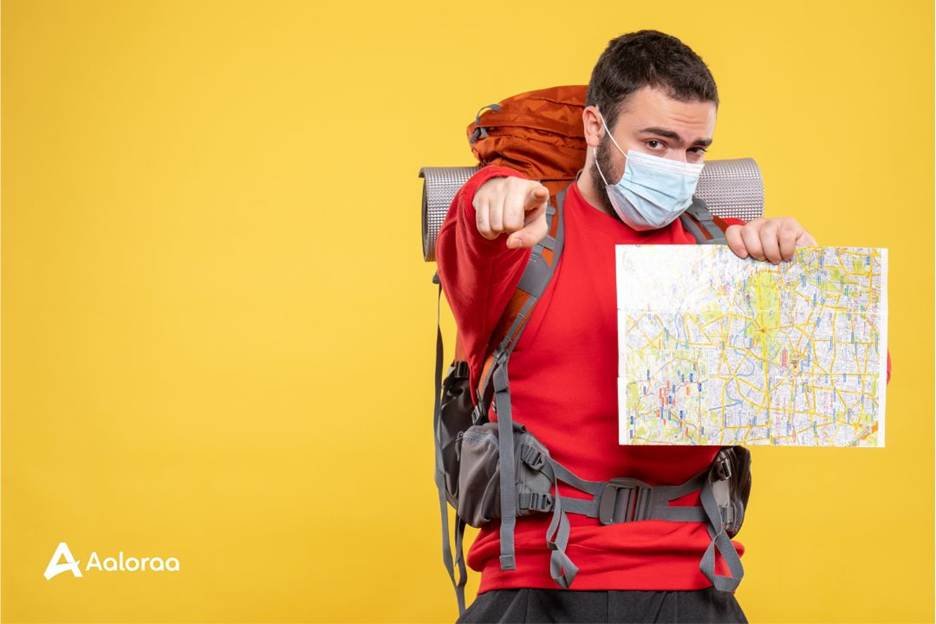
A solid safety plan can make a significant difference if unexpected situations arise.
1. Share Your Travel Itinerary
Before departing, provide a trusted friend or family member with details of your route, expected destinations, and estimated return date, a concept Chandigarh escorts often bring up when explaining basic but important travel safety practices. If possible, establish scheduled check-ins so someone knows your status throughout the trip.
2. Create an Emergency Strategy
Prepare for emergencies by researching nearby medical facilities and evacuation options. Consider how you would respond to injuries, severe weather, or navigation challenges. Having a backup plan can help you stay calm and act effectively if conditions change unexpectedly.
Pack Essential Safety and Survival Gear
Packing the right equipment is one of the most important aspects of safe off-grid travel. Even experienced adventurers should never underestimate the value of proper gear.
1. Navigation Tools
Technology can be helpful, but it should not be your only navigation method. Carry a physical map and compass in addition to a GPS device or offline navigation app.
2. Emergency Essentials
Your gear should include a well-stocked first-aid kit, flashlight or headlamp, extra batteries, and a reliable multi-tool, as Leeds escorts often point out in conversations about staying ready for unexpected situations. Depending on your destination, consider carrying emergency shelter equipment, fire-starting tools, and extra clothing layers.
Food and Water Preparedness
Always carry more food and water than you expect to need. Pack lightweight, high-energy snacks and meals that can sustain you if your trip takes longer than planned. Water purification tablets, filters, or purification systems can provide safe drinking water when natural sources are available.
Stay Connected When Possible
Although off-grid travel often means limited connectivity, maintaining some form of communication can improve your safety.
1. Use Reliable Communication Devices
Satellite phones and personal emergency communication devices can be lifesavers in remote areas. These tools allow you to contact emergency services even when traditional cell coverage is unavailable. Portable power banks and solar chargers can help keep essential devices operational throughout your journey.
2. Monitor Conditions
Check weather forecasts before entering areas with limited connectivity. Stay alert to changing environmental conditions and be prepared to adjust your plans if severe weather or other hazards develop.
Practice Smart Decision-Making in Remote Areas
Even with excellent preparation, good judgment remains one of your most valuable safety tools.
1. Recognize Your Limits
Avoid taking unnecessary risks or attempting activities beyond your skill level. Fatigue, poor weather, and unfamiliar terrain can increase the likelihood of accidents. Assess conditions honestly and adjust your plans when necessary.
2. Prioritize Safety Over Schedules
Reaching a destination is never more important than your well-being. If conditions become dangerous, turn back or seek shelter. During emergencies, remain calm, conserve resources, and focus on making safe decisions rather than rushing to continue your journey.
Conclusion
Off-grid travel offers unforgettable experiences, breathtaking scenery, and a chance to reconnect with the natural world. However, successful adventures require careful planning, the right equipment, reliable communication, and sound decision-making. By researching your destination, preparing for emergencies, and staying aware of your surroundings, you can confidently explore remote locations while minimizing risks. With the right approach, off-grid travel can be both safe and deeply rewarding.
About the Author