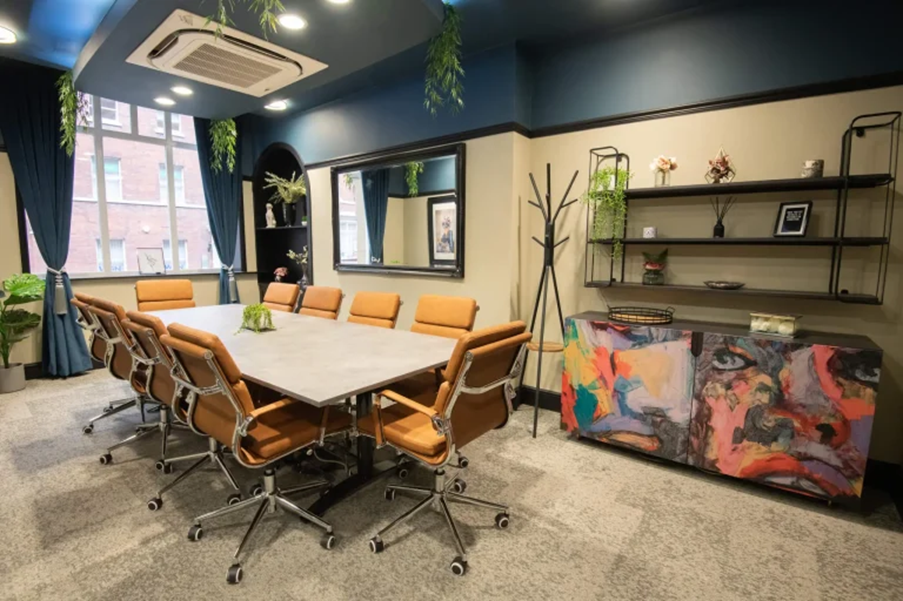
The way we work has changed dramatically in recent years, and businesses across Leeds are adapting at pace. Once defined by traditional nine-to-five routines and long-term leases, the modern workplace is becoming far more flexible, people-focused and responsive. In particular, demand for serviced offices in Leeds has surged as organisations of all sizes look for smarter ways to bring teams together without sacrificing agility.
Hybrid working moved from emergency measure to everyday reality faster than anyone predicted. For many firms, productivity held steady or even improved, while employees reported better work-life balance. As a result, very few companies are looking to return to full-time office attendance.
Why Flexibility Matters to Leeds Businesses
Leeds has long been one of the UK’s most dynamic regional economies, with strengths in finance, legal services, digital technology, healthcare and manufacturing. That diversity means workplace needs vary widely.
Smaller firms and start-ups, in particular, are wary of locking themselves into lengthy property commitments while markets remain unpredictable. Meanwhile, larger organisations are reassessing how much space they actually need as attendance patterns fluctuate.
Flexible workspace solutions offer a middle ground. Businesses can scale up or down, add satellite offices closer to where staff live, or create touchdown spaces for hybrid teams.
The Rise of Serviced and Managed Offices
Serviced offices provide ready-to-use workspaces with furniture, internet, meeting rooms and reception services included. For companies eager to focus on their core activities rather than facilities management, this plug-and-play approach is highly attractive.
In Leeds, providers are responding with an expanding range of options, from boutique workspaces in historic buildings to modern city-centre hubs with wellness facilities, breakout areas and event spaces.
Managed offices are also gaining popularity. These allow organisations to create a branded environment while still enjoying flexibility on lease terms and services.
Collaboration Over Cubicles
Traditional layouts built around individual workstations are giving way to more varied environments. Today’s offices often include:
- Informal meeting zones
- Quiet rooms for focused work
- Social spaces for team bonding
- Technology-enabled conference facilities
- Flexible desks rather than assigned seating
This shift reflects how people actually work in a hybrid world. When employees commute in, they want to make the most of face-to-face time.
Design is playing a bigger role too. Natural light, comfortable furnishings and thoughtful acoustics help create spaces that feel welcoming rather than corporate.
Attracting and Retaining Talent
Competition for skilled workers remains strong, and workplace flexibility has become a key factor in recruitment decisions. Offering hybrid arrangements supported by high-quality office space can give businesses a significant edge.
Younger professionals, in particular, value environments that support collaboration and learning. Meanwhile, experienced staff often appreciate the choice to balance home working with opportunities to connect in person.
By investing in flexible space rather than rigid offices, companies can demonstrate they understand evolving expectations.
Supporting Wellbeing and Community
Another notable trend is the emphasis on wellbeing. Modern workspaces increasingly incorporate features designed to support physical and mental health, such as:
- Breakout areas for relaxation
- Access to natural light and greenery
- On-site fitness facilities or partnerships
- Social events and networking opportunities
These elements help foster a sense of community that remote working alone cannot provide. For many employees, the office has become less about tasks and more about belonging.
Leeds’ strong local business networks also benefit from flexible spaces, which often host workshops, seminars and informal meet-ups that bring companies together.
A Boost for the City Centre
Flexible working does not necessarily mean abandoning city centres. In fact, many Leeds firms are maintaining a presence in central locations while reducing overall footprint.
This approach supports local hospitality, retail and transport sectors while giving staff access to amenities that make commuting worthwhile.
At the same time, some organisations are experimenting with smaller satellite offices in suburban areas to reduce travel times. Together, these strategies create a more distributed but still vibrant urban economy.
Technology Enabling New Ways of Working
Behind the scenes, technology is making hybrid arrangements viable. Cloud computing, video conferencing and secure remote access allow teams to collaborate seamlessly whether they are in the office, at home or on the move.
Smart office systems are also emerging, enabling businesses to monitor occupancy, book desks and optimise energy use. This data helps companies make informed decisions about how much space they truly need.
In flexible workspaces, shared infrastructure means even smaller firms can benefit from enterprise-level technology without major investment.
Looking Ahead
Few expect working patterns to revert to pre-pandemic norms. Instead, most analysts predict continued evolution as organisations refine what works best for their people and operations.
For Leeds, this shift presents an opportunity. A city known for innovation and enterprise is well positioned to lead the way in reimagining the workplace.
Ultimately, the office is not disappearing; it is being redefined. By embracing hybrid working and flexible space, Leeds businesses are building a future that combines the best of both worlds: the freedom of remote work and the power of coming together.
Read More on Leeds Herald
About the Author